RCB Fulfills 'Ee Sala Cup Namde' Promise After 18 Years of Devotion
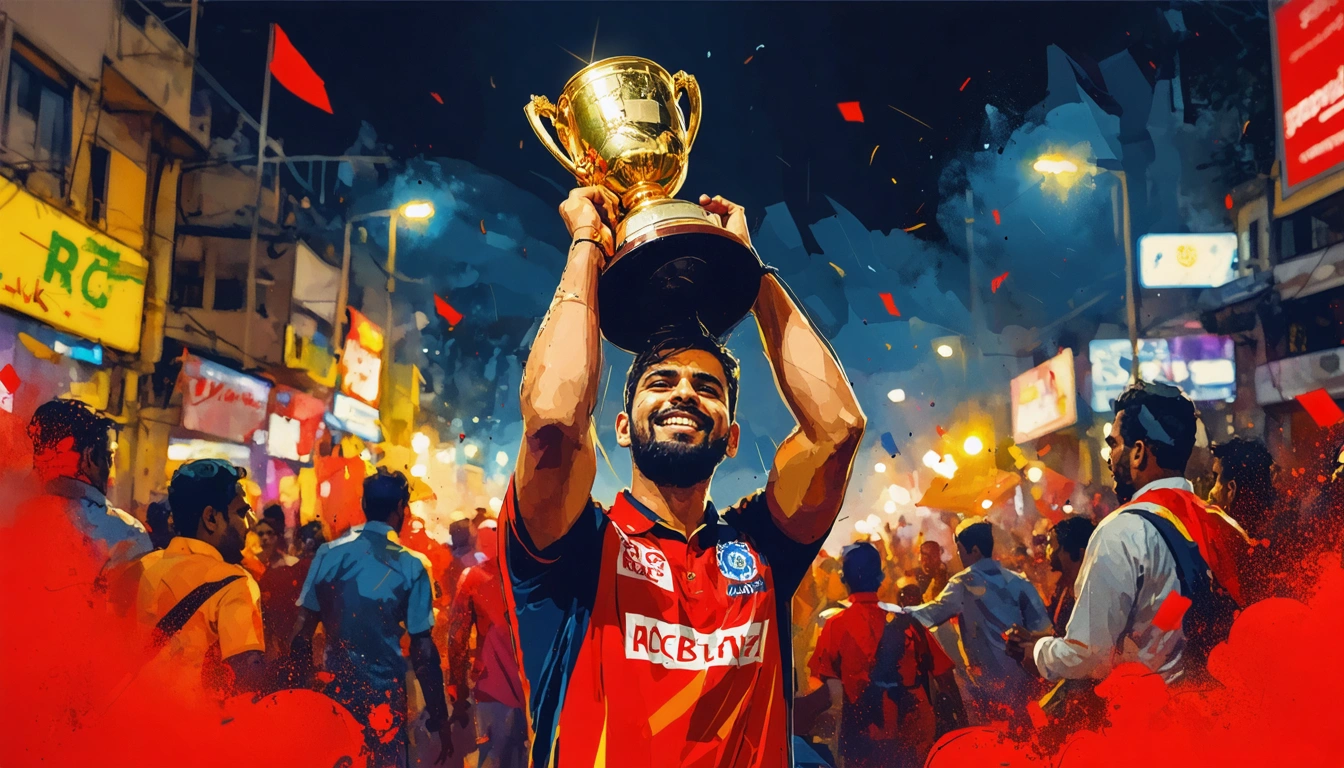
Last night, Royal Challengers Bengaluru realized the long-awaited vow of “Ee sala cup namde,” ending 18 years of intense anticipation among supporters. This moment unleashed waves of emotion across the city, binding communities in shared exultation. Virat Kohli, the steadfast emblem of the franchise since its inception, embodied the release through his visible tears and embraces.
The Cultural Mantra That Defined a City
“Ee sala cup namde”—Kannada for “This year the cup is ours”—emerged as more than a phrase; it became a yearly affirmation of hope woven into Bengaluru's social fabric. Repeated across homes, workplaces, and gatherings for nearly two decades, it reflected a collective endurance amid repeated letdowns. This persistence highlights how local identities form around such symbols, fostering a sense of belonging that transcends daily routines.
Kohli's Emotional Anchor for Generations
Virat Kohli's journey with RCB mirrors the franchise's arc, marked by unyielding commitment through highs and lows. His post-achievement bow to the crowd and hugs with associates went viral, amplifying the personal stakes involved. Such displays underscore the human dimension of prolonged dedication, where individual resolve sustains broader communal faith.
Bengaluru's Streets Ignite with Unity
The city erupted into nonstop revelry, with roads packed by enthusiasts waving flags amid fireworks. From upscale neighborhoods like Indiranagar to student areas in Koramangala, families donned franchise colors, treating the occasion like a major festival. Public viewing spots turned strangers into allies, revealing how pivotal events reinforce social ties and create lasting shared narratives.
Brands and Online Echoes Amplify the Moment
Social platforms overflowed with tributes, memes, and posts from brands, momentarily bridging divides in digital spaces. Timelines became galleries of collective pride, with official RCB content drawing massive engagement. This convergence illustrates the interplay between popular culture and commerce, where communal highs drive widespread participation and visibility.